

When an insurance carrier flags knob-and-tube wiring, the next step is usually documentation—not guesswork. Underwriters want to understand what’s actually installed, how it’s being used today, and whether any visible conditions create an elevated fire or shock risk. A dedicated underwriting electrical report gives them a clear, organized picture so your policy decision doesn’t hinge on assumptions or generic “old wiring” warnings.
Knob-and-tube systems were built for a different era: fewer appliances, lower electrical loads, and far less remodeling. In the real world, many older homes have had partial updates, additions, DIY splices, or mixed wiring methods over decades. That’s exactly why insurers ask for a professional evaluation—because the details matter, from panel type and overcurrent protection to grounding/bonding and how branch circuits are extended.
Our report is designed for underwriting review. We document accessible components, identify commonly scrutinized hazards (like open splices, improper fusing, brittle insulation, or unprotected junctions), and note where modern safety devices are present or missing. You receive practical findings written in plain language, supported by photos and clear recommendations when upgrades are needed.
If you’re buying a home, renewing coverage, or dealing with a notice of non-renewal, this type of inspection can be the fastest way to cut through back-and-forth. Instead of sending fragmented information, you provide a single, professional package that helps an agent or underwriter make a confident decision—and helps you plan next steps if remediation is required.

Why Homeowners and Underwriters Prefer Our Reports
Insurance-driven inspections require a specific mindset: accuracy, documentation, and a report that answers real underwriting questions. Our electricians look beyond “yes/no” statements and record what’s accessible, what’s mixed, and what conditions may trigger required corrections. The result is a report that is easy to review and hard to misinterpret.
We also understand the pressure homeowners feel when coverage deadlines are looming. That’s why we keep the process organized, communicate clearly, and focus on actionable details—so you can share the findings with your agent, escrow, or insurer without rewriting the story yourself.
What sets our underwriting documentation apart:
- Inspector-level attention to accessible knob-and-tube runs, splices, and junction integrity
- Practical evaluation of service equipment, overcurrent protection, and panel labeling clarity
- Photo-backed notes that help carriers understand conditions without speculation
- Guidance on permit and inspection pathways when corrective work is recommended
- A homeowner-friendly summary that makes the next steps easy to prioritize
What an Underwriting Electrical Report Does for You
More than an inspection—this is documentation built for real insurance decisions.

Our Process: What to Expect
A simple workflow that produces a report your insurer can actually use.
Quick Intake Call
We confirm what your carrier requested, your deadlines, and any known wiring history or renovations.
On-Site Documentation
We evaluate accessible areas: panel, visible wiring, attics/basements/crawlspaces, devices, and obvious modifications.
Report Assembly
Findings are organized into a clean narrative with photos, notes, and recommendations where appropriate.
Delivery & Follow-Up
We send the final report and stay available for clarification if your agent or underwriter has questions.
Most site visits are efficient, and the report is delivered as a ready-to-forward document.
Helpful Information
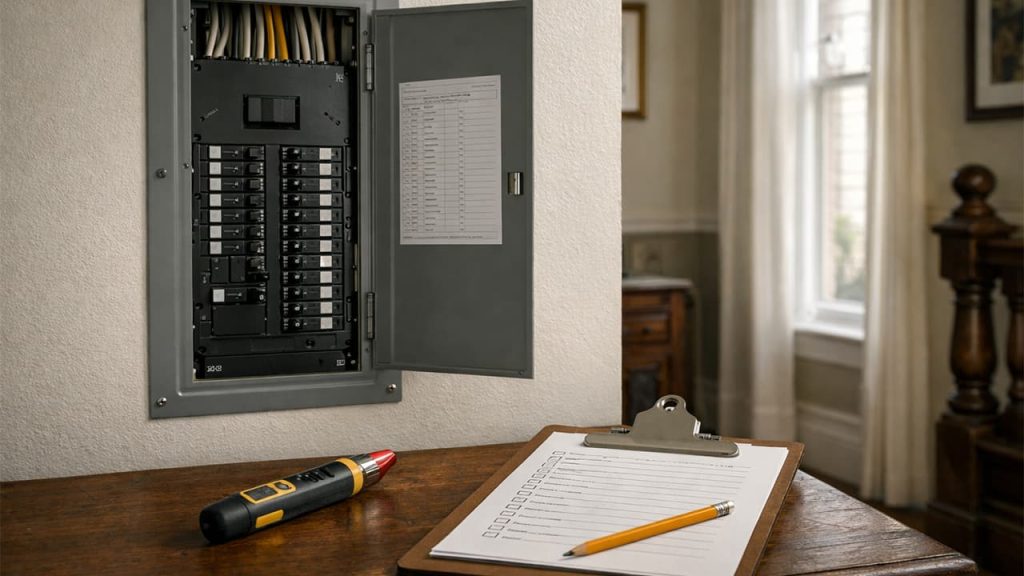
What SF Electrical Inspectors Typically Check After a Rewire (And How to Avoid Red Flags)

Permits for Electrical Rewiring in San Francisco: Homeowner-Friendly Explanation (SFDBI Basics)

How Long Does a Knob-and-Tube Rewire Take? Realistic Timelines for San Francisco Homes
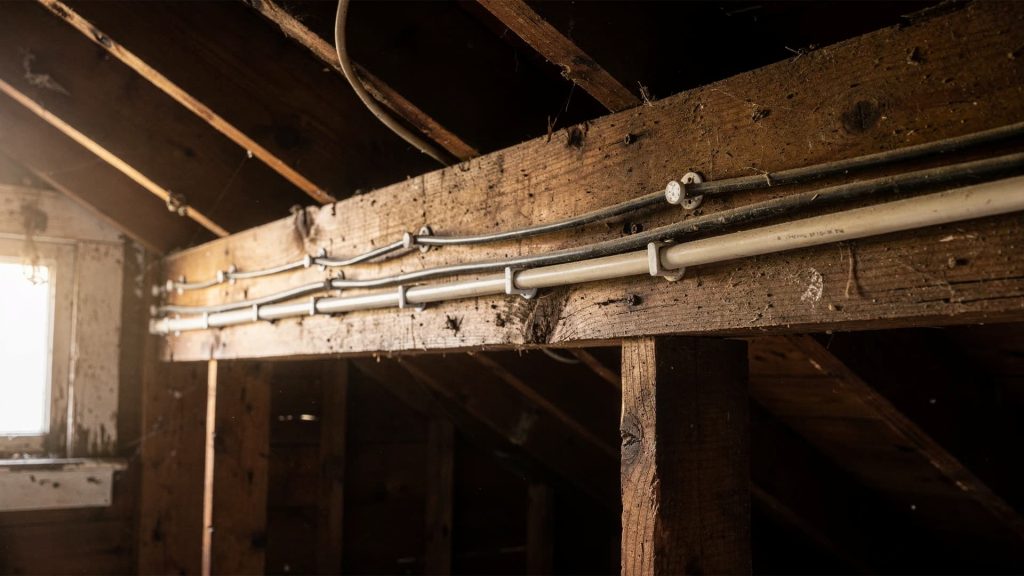
Ultimate Guide: What Is Knob and Tube Wiring?

How Much Does It Cost to Replace Knob and Tube Wiring in San Francisco?

How Knob-and-Tube Wiring Affects Home Insurance in San Francisco
San Francisco’s iconic housing stock — Victorian, Edwardian, and pre-war homes — carries a certain…