

Identify the conductor · fix every affected connection
Aluminum Wiring Replacement in San Francisco
Confirm whether the home has solid-conductor aluminum branch wiring, inspect its terminations, and choose a complete copper replacement or recognized repair method based on the real system.
First, identify the wiring correctly
Aluminum branch circuits are not the same as normal large aluminum feeders
Many services and large appliance circuits legitimately use aluminum conductors and are not the subject of the small branch-circuit concern. The higher-risk discussion usually involves older solid aluminum conductors on 15- and 20-amp lighting and receptacle circuits, particularly at terminations and splices.
Do not open the panel or devices to check for yourself. An electrician can review cable markings where accessible, panel terminations, representative devices, and signs of connection distress without turning a visual clue into a premature whole-house diagnosis.
Call promptly if you notice
- A warm switch or receptacle faceplate
- Flickering unrelated to a known utility event or appliance cycle
- A burning-plastic odor near a device
- Discoloration, buzzing, or intermittent loss of power
If there is smoke, visible arcing, or fire, leave the area and call emergency services.
Repair choices are not interchangeable
Copper replacement versus connection repair
| Approach | What it addresses | Key limitation |
|---|---|---|
| Replace affected circuits with copper | Removes the older aluminum branch conductors from active service and allows a new grounded circuit layout. | Requires route access and may involve finish repair, panel work, and permits. |
| COPALUM connection repair | Uses a specialized crimp system installed with dedicated tooling by a trained installer at every affected connection. | Availability and installer qualification matter; partial treatment does not create a complete repair. |
| AlumiConn connection repair | Creates an aluminum-to-copper pigtail using a listed setscrew connector installed to its instructions. | Every relevant termination and junction must be reached; box space and workmanship matter. |
The U.S. Consumer Product Safety Commission identifies copper replacement and specific complete connection-repair approaches; it warns against treating ordinary twist-on connectors as a complete repair.
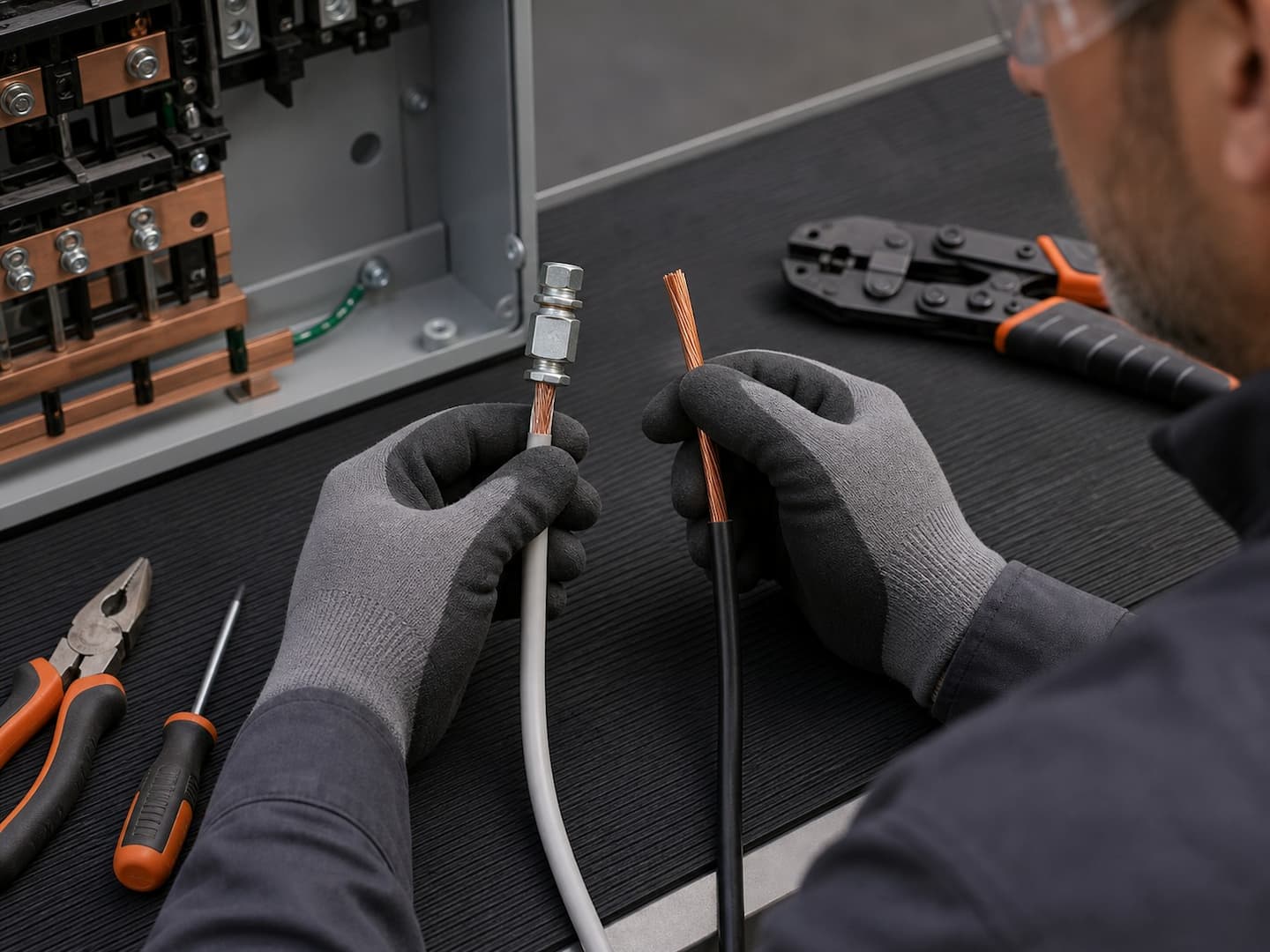
Completeness is the point
Fixing one warm outlet is not a whole-system remedy
Connection problems can occur wherever the affected aluminum conductor terminates. A meaningful plan maps the circuits and includes accessible receptacles, switches, light fixtures, junction boxes, directly connected equipment, and panel terminations within the chosen repair method.
If the home is already being remodeled, copper replacement may be easier to coordinate. In a finished occupied home, a recognized connection-repair program may be considered when every affected point can be found and treated correctly. We explain the tradeoffs for the property rather than advertising one universal answer.
Assessment to records
Our process
Identify
Confirm conductor type and affected circuits through safe accessible observations and testing.
Inspect
Review representative terminations, device compatibility, box space, visible heat damage, panel condition, and prior repairs.
Choose a complete scope
Compare copper replacement with a recognized connection-repair approach, including access, permits, restoration, and future plans.
Install, test, document
Complete the selected method at all points in scope, test circuits, label changes, and organize records.
Related work
When another scope affects the decision
Aluminum wiring FAQ
Questions before choosing a method
Does any aluminum wire mean the house must be rewired?
No. Large aluminum feeders and appliance conductors are common and different from older small solid aluminum branch circuits. Identify conductor type, use, condition, and terminations first.
Can ordinary wire nuts solve the problem?
The CPSC does not treat ordinary twist-on connector pigtailing as a complete permanent repair for the older branch-circuit issue. Use only a properly designed, complete method installed by qualified personnel.
Is replacing devices marked for aluminum enough?
Device compatibility alone may not address every splice, fixture, appliance, junction, or panel termination on the affected circuit. The scope must be system-wide for the chosen repair method.
Will the work help with insurance or resale?
Documented professional correction gives a carrier or buyer better information, but acceptance remains their decision. Ask what records and method they require before work.
Unsure what type of aluminum wiring you have?
Start with identification, not a repair kit
Our electricians can map the affected circuits, explain recognized options, and prepare a complete scope.
Primary safety reference
See the U.S. Consumer Product Safety Commission’s Repairing Aluminum Wiring guidance for its discussion of copper replacement, COPALUM, AlumiConn, and methods it does not recommend as complete repairs.