
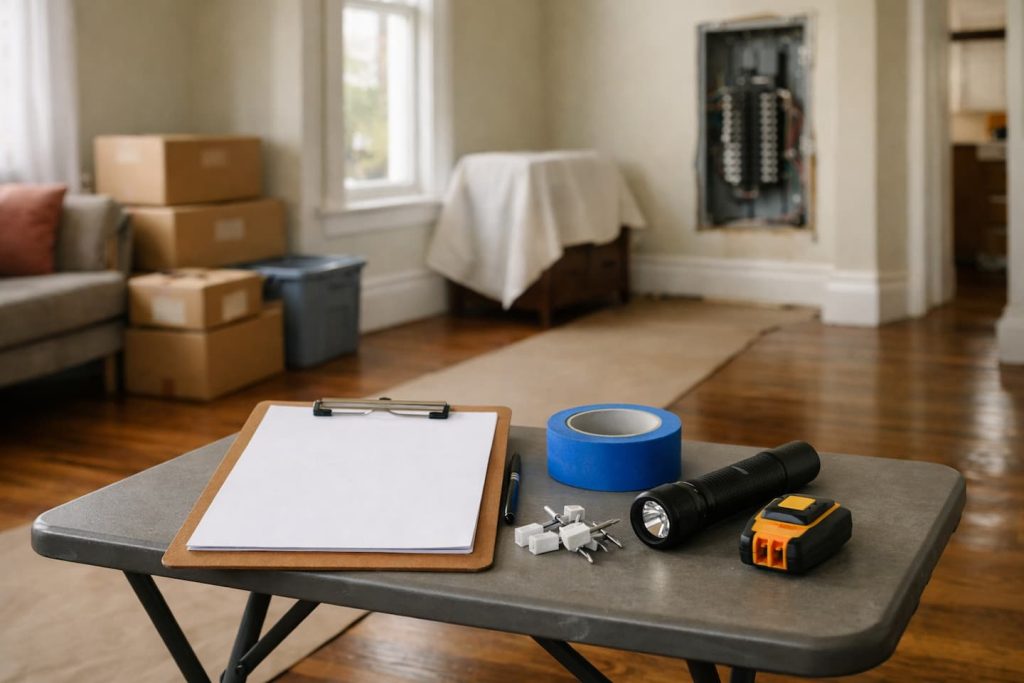
A knob-and-tube rewire is one of those home projects that sounds simple when you say it fast—“We’re rewiring the house”—and then becomes very real the moment you realize your home will be a jobsite for a while. People tend to focus on the headline items (cost, timeline, permits). The part that sneaks up on them is everything that happens before the first electrician pulls a single cable: access, logistics, dust control, outage planning, decision-making, and basic “How do we live like normal humans while a crew is working?”
The good news is that preparation is not complicated. It’s mostly practical, common-sense steps. The better news: doing those steps well can shave days off the schedule, cut the number of wall openings needed, and reduce the chances of last-minute change orders. Electricians move fastest when they can work safely, reach the spaces they need, and make decisions once—not three times.
This long-form checklist is written for homeowners—especially those in older San Francisco homes where plaster walls, tight crawlspaces, finished attics, and “mystery circuits” are common. Use it as a planning guide, a pre-job walkthrough list, and a way to keep the project organized without feeling like you have to become an electrician.
What “Preparation” Really Means (And Why It Matters)
Preparation isn’t just “move the couch.” On a knob-and-tube rewire, your prep typically affects:
- Access (how quickly electricians can run new wiring without excessive wall cuts)
- Safety (clear work zones, pet/kid control, predictable shutoffs)
- Work quality (neat routing, clean terminations, proper labeling, fewer rushed decisions)
- Schedule reliability (fewer pauses for “we can’t reach that,” “we need you to decide,” or “we need to open this wall after all”)
- Your daily life (noise, dust, power interruptions, room availability)
A rewire is part electrical, part construction, part project management. A good contractor handles the technical work and leads the process—but homeowners have real influence over the conditions on site. Done right, you’ll spend less time reacting and more time simply letting the job get completed.
Quick Reality Check: What Electricians Typically Need to Access
Every house is different, but most knob-and-tube rewires involve work in these areas:
- Electrical panel / service equipment area (often in garage, basement, or side of house)
- Attic (old K&T runs, lighting circuits, top-plate access)
- Crawlspace or basement (floor joists, wiring runs to first floor, ground/bonding paths)
- Wall cavities (to reach outlet boxes, switches, and lighting feeds)
- Ceilings (especially for lighting circuits, fans, and multi-story drops)
- Closets and chases (often used to fish wiring between floors)
If any of those areas are blocked, locked, fragile, or full of storage, it slows everything down.
A Homeowner-Friendly Rewire Prep Timeline
Use this as a pacing guide.
2–4 Weeks Before (planning + decisions)
- Confirm scope and circuit plan
- Decide on outlets, lighting changes, dedicated circuits
- Discuss patch strategy (minimal openings vs strategic access)
- Make sure permit process is moving
- Plan for work-from-home, kids, pets, tenants (if any)
7–10 Days Before (logistics)
- Clear attic/crawlspace access
- Declutter rooms and wall-adjacent furniture
- Identify valuables and protect fragile items
- Prepare a “power continuity” plan (internet, fridge, medical devices)
1–2 Days Before (setup)
- Create clear pathways
- Stage a “daily essentials zone”
- Confirm parking/loading and building rules
- Final walkthrough with contractor if possible
Day 1 (execution)
- Review work zones, shutdown expectations, and communication plan
- Confirm device layout and any last decisions
- Establish daily cleanup expectations and where tools/materials will be stored
The Core Checklist (Printable Logic, Without the Print)
Confirm Scope and Make Decisions Early
Decide what “done” looks like
This sounds obvious, but it prevents the most common rewire delay: mid-project indecision.
Make sure you and your electrician agree on:
- Full K&T replacement vs partial rewiring
- Which circuits are included (lighting, receptacles, appliances, exterior, garage)
- Whether any existing modern wiring will remain
- Whether the job includes device replacement (switches/outlets) or reuse where appropriate
- Whether the job includes smoke/CO detector updates if required locally
- Whether patching/painting is included or handled by another trade
Confirm outlet and switch locations (and add what you’ll regret not adding)
Older SF homes were not designed for modern loads. If you’ve lived in your home for more than a month, you already know where you wish outlets existed.
Consider:
- Bedside outlets (both sides)
- TV wall outlets + conduit/low-voltage pass-through (if desired)
- Office desk area outlets (and whether you need a dedicated circuit)
- Kitchen counter outlets (and dedicated circuits for microwave, dishwasher, disposal)
- Bathroom outlet placement and GFCI needs
- Hallway/landing lighting controls (3-way switches)
- Exterior outlets (front porch, backyard, holiday lighting)
- Garage outlets (tools, freezer, EV charger readiness)
If you add outlets later, you may reopen walls or run surface conduit. During a rewire, it’s often easier.
Decide on lighting changes before the crew arrives
Lighting additions can be a time and patching multiplier—so decide early.
- Are you keeping existing fixtures and locations?
- Are you adding recessed cans, pendants, vanity lights, or fans?
- Do you want dimmers? Smart switches? Motion sensors?
- Any stair lighting upgrades?
Even if you don’t pick exact fixture models, agreeing on locations matters.
Confirm dedicated circuits and high-load plans
This is where homeowners unintentionally under-scope the job.
Think about:
- Induction range
- Heat pump or mini-split
- Washer/dryer changes
- Tankless water heater (electric)
- EV charging (now or later)
- Home workshop tools
- Server/network rack for WFH
If you plan to add any of these within 12–24 months, tell your electrician now. Planning circuits proactively is cheaper and cleaner than retrofits.
Access: The #1 Schedule Saver
Clear the electrical panel area like you’re expecting an inspection
Your panel area should be:
- Easy to reach
- Well lit
- Free of storage (especially cardboard and flammables)
- Clear for the electrician to stand and work comfortably
If your panel is in a garage, move shelves, bikes, and stacked bins away from it. If it’s in a closet (yes, it happens), clear the entire closet and provide working space.
Attic access: make it safe and usable
Attics in older homes are often cramped and full of history. Electricians need:
- A clear entry point (ladder access, no stacked boxes below)
- A stable walkway or safe stepping path (or permission to create one)
- Adequate lighting (temporary work light if needed)
Before the job:
- Remove stored items near the attic hatch
- Identify weak areas (thin ceiling drywall/plaster below)
- Ensure there are no loose boards or exposed nails near the entry
- If you have blown-in insulation, discuss how it will be managed
If you’re squeamish about anyone stepping in your attic, say so. But understand the tradeoff: attic access is often the reason a rewire can be done with fewer wall openings.
Crawlspace/basement access: clear, dry, and navigable
Crawlspaces are often the “hidden freeway” for new wiring.
Prep steps:
- Clear the crawlspace entry
- Remove stored items under the house if they block pathways
- Address standing water or obvious moisture issues if possible
- Make sure there’s safe lighting or power for temporary lights
- If there are pests, handle it before the crew arrives (nobody works well with surprises)
If the crawlspace is extremely tight, discuss expectations. Sometimes work can still be done, but it may require more wall fishing and more time.
Bedrooms, closets, and built-ins: don’t forget these
Closets are commonly used for vertical drops between floors. If you have packed closets, consider:
- Clearing at least one “chase-friendly” closet per floor
- Removing items from the top shelf where fishing may occur
- Protecting fragile storage bins
Built-ins, large wardrobes, and heavy furniture tight to walls can slow device replacement and wall access.
Dust, Protection, and “Living in a Jobsite”
Choose your dust-control approach
Even careful rewires generate dust. Your goal is to control it, not pretend it won’t happen.
Discuss with your contractor:
- Plastic sheeting barriers for certain rooms
- Floor protection (paper/runners)
- Daily vacuuming and wipe-down expectations
- Use of HEPA filtration if the home is sensitive (allergies, infants)
If you have plaster walls, dust is more likely whenever openings are needed.
Protect valuables and fragile items from vibration and dust
Electricians aren’t swinging sledgehammers, but drilling, fishing, and opening boxes can cause vibration.
Protect:
- Artwork and framed photos (especially on shared walls)
- Shelves with glassware
- Electronics (cover or relocate)
- Musical instruments
- Anything sentimental you’d hate to clean or replace
A simple approach: move valuables to a single room and keep that room off-limits as a clean storage area.
Plan a “daily essentials zone”
Pick one area that remains functional:
- Charging station for phones/laptops
- Coffee setup (seriously)
- Wi-Fi router location and UPS (uninterruptible power supply)
- A safe spot for pets
- A place for keys, wallets, and daily items
This reduces stress and keeps you from wandering through work zones.
Expect noise, but make it predictable
Noise is inevitable. What you can control:
- Work hours
- Which rooms are tackled when
- Whether you need quiet blocks for calls (and which circuits must stay live)
If you work from home, tell the contractor early. Good crews can often prioritize one room (home office) so you regain quiet and stable power sooner.
Power Outages and “What Will Still Work?”
Identify critical devices that must stay powered
Make a list:
- Refrigerator/freezer
- Wi-Fi modem/router
- Medical devices
- Sump pump (if applicable)
- Security system
- Aquarium equipment
- Remote work setup
Share this list with your electrician. They can plan how to stage circuits and avoid accidental long downtime.
Prepare for short planned shutoffs
Even well-phased jobs require shutoffs—especially during panel work.
Do this:
- Charge laptops and battery packs
- Keep flashlights accessible
- Know how to manually open your garage door (if it’s motorized)
- Keep a cooler available if fridge downtime might be extended
Consider a temporary power strategy (if you truly need continuity)
Options to discuss (depending on your situation):
- UPS battery backup for networking and computers
- Temporary dedicated circuit for one “life-support” room
- Scheduling shutdowns around your work calls
- If you have tenants, scheduling windows clearly in writing
The point isn’t luxury—it’s avoiding chaos.
Room-by-Room Prep Checklist
This is where your prep becomes practical.
Living room / common areas
- Pull furniture 12–18 inches from walls where outlets are present
- Remove fragile décor near outlet/switch locations
- Identify built-in cabinetry areas (harder access)
- If you have a wall-mounted TV, discuss whether wiring behind it will be touched
Bedrooms
- Clear nightstands and move beds slightly if outlets will be replaced
- Empty top closet shelves if a vertical drop is likely
- Secure small items that could be bumped during access work
Kitchen
Kitchens are the most circuit-dense rooms. Prep includes:
- Clear countertops (electricians may need access to backsplash outlets)
- Empty the sink cabinet and adjacent cabinets if dishwasher/disposal wiring is involved
- Clear access to fridge outlet
- Plan for short downtime of certain appliances
If you’re remodeling the kitchen soon, this is the time to align the electrical plan with future layouts.
Bathrooms
- Clear vanity cabinet if receptacles or lighting circuits are involved
- Confirm GFCI placement and whether you want integrated night lights or smart features
- If you have a fan, confirm whether it’s being replaced or reconnected
Bathrooms are small, which makes access easy—but also makes them inconvenient to lose. Plan accordingly.
Hallways, stairs, and entry
These areas often need:
- 3-way switches
- Stair lighting controls
- Smoke/CO detector circuit considerations
Prep:
- Clear stair landings
- Remove wall décor near switches
- Make sure pathways remain safe
Garage
- Clear panel access area
- Clear the wall where conduit might be run
- Decide if you want EV charger readiness (even if not installing the charger yet)
- Protect stored items from dust (garages are usually storage-heavy)
Exterior
- Identify exterior outlets and lights you care about
- Plan access to backyard or side yard if wiring will be routed externally
- Discuss weather exposure if any outdoor work is needed
Pets, Kids, and Safety Boundaries
Set rules for work zones
Electricians will have tools, ladders, open boxes, and exposed wiring (not energized, but still not a playground).
Decide:
- Which rooms are off-limits
- Where pets will stay during the day
- How doors will be managed (cats are escape artists; dogs are curious)
Plan for air quality and noise sensitivity
If someone in the home is sensitive to dust or noise:
- Consider staying elsewhere on the loudest days
- Use HEPA filtration in living areas
- Keep a clean room sealed off from work
Keep emergency paths clear
Even with floor protection, make sure:
- Exits aren’t blocked
- Hallways stay navigable
- Smoke/CO detectors remain active or are temporarily managed safely
Parking, Building Rules, and SF Logistics (The Unsexy Stuff That Causes Delays)
San Francisco is not a suburban jobsite environment. These details matter more than people expect.
Confirm parking/loading expectations
Electricians often need to unload:
- Wire spools
- Ladders
- Tools
- Boxes of devices
- Panel materials (if included)
If parking is difficult:
- Identify a nearby loading area
- Consider reserving a space if possible
- Inform neighbors if access is tight
If you’re in a condo or HOA building
Check:
- Work hour restrictions
- Elevator reservations (if applicable)
- Rules about debris removal
- Common area protections
- Insurance requirements from the HOA
If your home has tenants
Preparation becomes communication:
- Provide written notice of work windows
- Identify any medical or accessibility needs
- Plan phased access that respects privacy
- Confirm who grants access on which days
Tenant coordination can be the difference between a smooth project and a calendar disaster.
Permits, Inspections, and Documentation (Homeowner Role)
You don’t need to manage permits yourself in most cases, but you should understand the process and keep records.
Know what documents you’ll want at the end
Ask for:
- Permit documentation and final sign-off
- Panel directory (clear circuit labels)
- Any photos taken before walls were closed (if your contractor does this)
- Warranty information
- A brief scope summary you can keep for resale
This is especially helpful in San Francisco where future buyers and inspectors will ask questions.
Be available (or designate a decision-maker)
Inspections may require access to:
- Panel
- Attic/crawlspace
- Specific rooms or devices
If you can’t be present, designate someone who can open doors and answer simple questions.
Patch Strategy: Minimal Openings vs Strategic Access
This deserves its own section because it’s one of the biggest homeowner-controlled variables.
Minimal openings (cleaner finish, more electrician time)
Pros:
- Fewer patch points
- Less paint matching
- Less visible repair work
Cons:
- Fishing takes longer
- More “problem-solving time” in tight bays
- Harder in plaster homes
Strategic openings (faster electrical work, more patch/paint)
Pros:
- Faster wiring runs
- More predictable routing
- Often cleaner electrical outcome
Cons:
- More repair work afterward
- Paint matching can be challenging
- Requires comfort with temporary disruption
A good contractor can recommend a hybrid approach: small planned openings where they matter most.
The “Pre-Flight” Table: What to Do, When, and Why
| Timing | Task | Why it matters | Typical effort |
| 2–4 weeks before | Finalize scope, outlets, lighting, dedicated circuits | Prevents mid-job delays and change orders | 1–2 hours of decisions |
| 1–2 weeks before | Clear attic/crawlspace access | Reduces wall openings and labor time | 1–4 hours |
| 1 week before | Identify critical power needs | Helps staging and outage planning | 15–30 minutes |
| 3–5 days before | Move furniture away from outlet walls | Speeds device swaps and fishing | 1–3 hours |
| 1–2 days before | Protect valuables, set “clean room” | Reduces stress and dust impact | 1–2 hours |
| Day 1 | Confirm communication + daily plan | Keeps work predictable and safe | 10–20 minutes |
A Detailed Homeowner Checklist
Access & Site Setup
- Clear panel area and provide good lighting
- Clear attic entry and create safe path
- Clear crawlspace/basement access and pathways
- Identify closets that can be used as chases
- Provide a designated staging area for tools/materials
Decisions
- Confirm outlet locations and additions
- Confirm lighting changes and switch controls
- Confirm dedicated circuits (kitchen, bath, laundry, office, HVAC, EV readiness)
- Confirm patch strategy and who handles repairs
- Confirm which devices will be replaced vs reused
Living Logistics
- Plan for Wi-Fi + work continuity (UPS if needed)
- Charge batteries; keep flashlights available
- Create “daily essentials zone”
- Move fragile items off walls/shelves near work areas
- Set pet/kid boundaries for work zones
SF Logistics
- Confirm parking/loading plan
- Confirm building/HOA work rules (if applicable)
- Tenant notices and access windows (if applicable)
Documentation
- Confirm permit status and inspection plan
- Plan who will be present for inspector access
- Request final panel labeling and project documentation
What Homeowners Often Forget (And Regret Later)
“We didn’t talk about the router”
Internet is not optional in 2026. If your modem/router is plugged into a circuit that gets turned off early, your workday collapses. Identify it, protect it, and ask the crew to prioritize it.
“We assumed the electrician would patch everything”
Some contractors include patching; some don’t; some do it but not paint. Clarify in writing. Otherwise you can finish electrical work and still feel “stuck in construction” for weeks.
“We didn’t decide about lighting until the walls were already closed”
Lighting changes are easiest when the crew is already in the infrastructure. Late changes mean reopening and re-patching.
“We didn’t clear the attic, so the crew had to cut more walls”
Access is everything. Ten minutes of clearing storage can save hours of fishing.
“We had valuables everywhere and spent days cleaning dust”
It’s easier to cover and consolidate than to detail-clean a whole home repeatedly.
How to Work With Your Electrician Without Micromanaging
You don’t need to hover. You do need a simple communication plan.
Establish these three things on Day 1
- Daily start/stop window (and whether you’ll get a “heads up” before shutdowns)
- Decision channel (text, call, in-person check-in)
- Change process (how scope changes are approved, documented, and priced)
A professional crew appreciates homeowners who are reachable, decisive, and respectful of the workflow.
FAQ: Homeowner Prep Questions
Do I need to move out?
Not always. Many families stay home during rewires with phased work. If you have high dust sensitivity, very young kids, or a highly demanding work-from-home schedule, you might choose to stay elsewhere for the loudest portion.
Will my walls definitely be opened?
Not “definitely,” but “possibly.” The better your attic/crawlspace access and the more flexible your patch strategy, the fewer surprises.
Should I remove insulation before rewiring?
Usually not on your own. But if you have attic insulation and K&T concerns, discuss it early. The crew will have a plan to work safely and keep things compliant.
How do I prep for inspection?
Mostly by ensuring access: panel, attic/crawlspace, and any areas where new work is present. Keep pathways clear and be available.
Final Thoughts: Prep Like You Want the Job to Finish on Time
A knob-and-tube rewire is not just a technical upgrade—it’s a reset of how your home handles modern life. The project goes best when:
- the scope is decided,
- access is clear,
- the home is protected,
- power needs are planned,
- and logistics (especially in San Francisco) are handled upfront.
If you do the preparation in this checklist, you’re not “doing the contractor’s job.” You’re removing friction from the job so skilled electricians can do what they do best: install a modern, safe, clean electrical system that works reliably for decades.